
SEO Content Brief कैसे बनाएँ? Writer को सिर्फ Keyword देने से बेहतर तरीका
Digital Marketing & AdvertisingBlog लिखवाते हैं लेकिन वही generic बातें लौटती हैं? Reader के सवाल, verified business facts और useful examples के साथ एक साफ content brief तैयार करें।

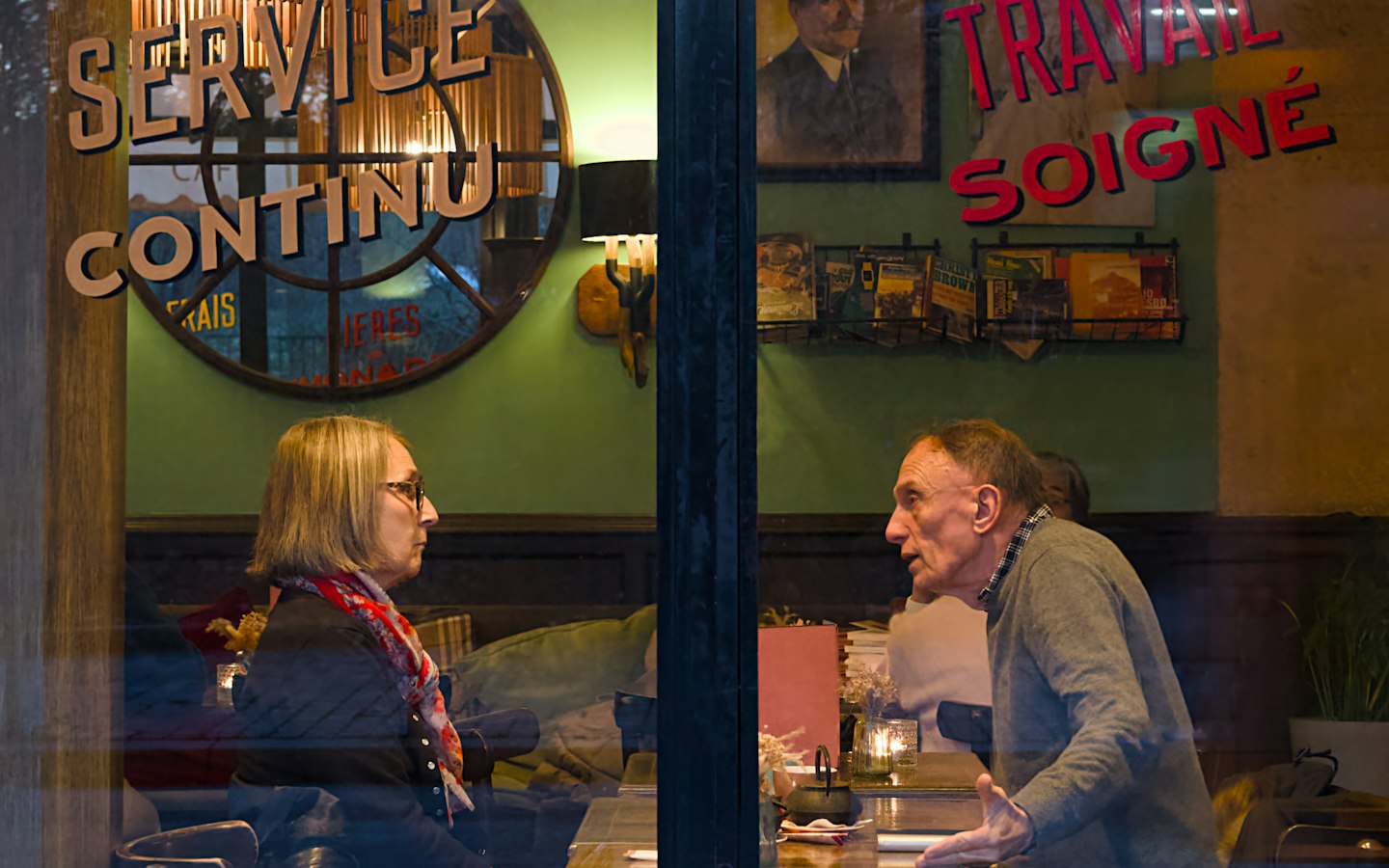
Content brief और editorial planning की representative workspace photograph। Photo: Flipsnack / Unsplash
On this page
Writer को “digital marketing पर 1,000 words लिख दो” कहा और article में वही familiar definitions आ गईं। यह केवल writing की समस्या नहीं हो सकती। शायद brief में reader, उसकी परेशानी और आपके business की मदद कहीं स्पष्ट ही नहीं थी। अच्छा content brief final article नहीं, सही दिशा देने वाला छोटा document है।
Keyword के साथ reader का काम लिखें
मान लें आपकी printing company का topic है brochure printing। Reader क्या decide करना चाहता है: paper quality, quantity, artwork file या delivery time? एक article में सभी बातें हल्के ढंग से छूने की जगह एक स्पष्ट जरूरत चुनें।
Brief की पहली line हो सकती है: “यह article उस shop owner के लिए है जो पहली बार brochure बनवा रहा है और designer को सही files देना चाहता है।” इसके बाद writer को tone और examples समझने में मदद मिलेगी। Keyword को reader की जरूरत का विकल्प न बनाएं।
Business facts की approved sheet दें
Available sizes, file requirements, actual process और support contact अलग दें। जिन prices का approval नहीं है, उन्हें sample figure बनाकर publish न कराएँ। Company कोई certification या delivery guarantee नहीं देती तो writer को साफ लिखें कि ऐसा दावा नहीं जोड़ना है।
पुराने customer questions useful input हो सकते हैं। Private messages को पहचान छिपाए बिना article में न डालें। उनकी जगह recurring सवाल अपने शब्दों में लिखें। किसी example में कल्पित numbers इस्तेमाल करने हों तो उसका उद्देश्य और hypothetical होना स्पष्ट रखें।
एक छोटा usable brief
- Reader: पहली बार brochure order देने वाला local shop owner।
- Decision: final artwork भेजने से पहले क्या check करना है।
- जरूरी answers: size, text approval, readable contact details और proof review।
- Business input: printing team की verified file requirements।
- उदाहरण: opening-time typo और पुराने phone number की final-proof check।
- Next step: काम का scope लेकर quotation माँगना।
हर heading में keyword या शहर जोड़ने का निर्देश देने की जगह headings को actual subquestions से बनवाएँ। जिस point के लिए source चाहिए, brief में source या responsible reviewer का नाम दें। Writer को missing facts पर अनुमान लगाने के बजाय सवाल वापस भेजने दें।
Sources और originality की अलग जाँच
Google की people-first content guidance original value, descriptive titles और reader को संतोषजनक मदद देने पर जोर देती है। Google के लिए कोई preferred word count पूरा करने की जरूरत नहीं बताई गई है। इसलिए reference article के headings और paragraphs बदलकर वही बात publish करना पर्याप्त editorial काम नहीं है।
Reference से topic का अंदाजा लें, फिर अपने readers के लिए उपयोगी checklist और सही examples बनाएँ। बिना test किए किसी tool को “हमने इस्तेमाल किया” न लिखें। Reviewer facts जाँचे और editor देखें कि article पढ़ने के बाद reader सच में अगला कदम समझता है या नहीं।
Final approval में क्या देखें?
Title का promise article पूरा करता है? सभी business claims approved हैं? Links सही खुल रहे हैं? Photo का context और rights सही हैं? Contact या service का अगला कदम relevant है? इन checks के बाद ही publish करें।
Frequently Asked Questions
Brief कितना लंबा होना चाहिए?
इतना कि reader, उद्देश्य, जरूरी facts और review की जिम्मेदारी स्पष्ट हो जाए। अनावश्यक background जोड़ना जरूरी नहीं।
क्या competitor का article writer को दे सकते हैं?
Reference के लिए दे सकते हैं, लेकिन wording, structure और examples की नकल करने का निर्देश न दें।
AI draft हो तो brief की जरूरत है?
हाँ। Facts और direction स्पष्ट न हों तो draft generic या inaccurate हो सकता है। Publishing से पहले editorial review रखें।
Article at a glance
- Written by
- Neha Verma
- Published
- 26 Oct 2026
- Reading time
- 4 minutes
- Topic
- Digital Marketing & Advertising
Read More Blogs

Moment Marketing: हर Trend पर Post करने से पहले ये 5 सवाल पूछें
Trending topic दिखते ही brand post बना देते हैं? Relevance, facts, tone और offer की तैयारी जाँचकर छोटे business के लिए बेहतर moment-marketing ideas चुनें।
Online Reputation कैसे संभालें? Negative Reviews के जवाब देने का practical तरीका
कम rating देखकर तुरंत बहस या deletion की कोशिश न करें। Genuine feedback, public reply और complaint follow-up के लिए business team का साफ workflow बनाएँ।

Graphic Designers in Delhi: logo और brochure बनवाते समय कौन-सी files लें?
Delhi के graphic designers और उपलब्ध numbers देखें। Design brief, revision scope, print proof, final file formats और handover समझकर अपने brand का काम आगे बढ़ाएं।
Be the first to share your thoughts.
Comments 0