
Moment Marketing: हर Trend पर Post करने से पहले ये 5 सवाल पूछें
Digital Marketing & AdvertisingTrending topic दिखते ही brand post बना देते हैं? Relevance, facts, tone और offer की तैयारी जाँचकर छोटे business के लिए बेहतर moment-marketing ideas चुनें।

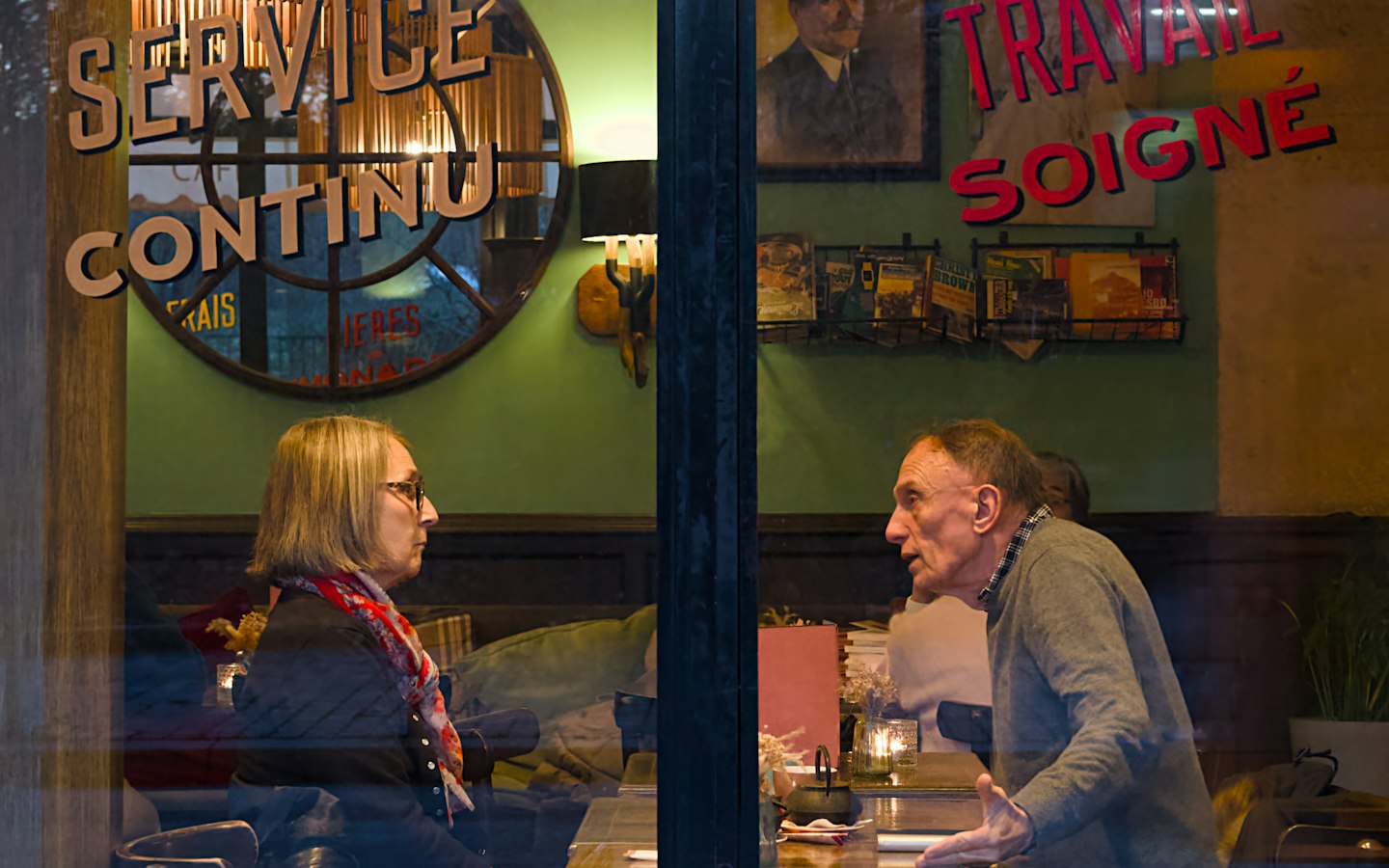
Representative festive-market photograph; not a current Indian event or campaign result. Photo: Philippe BONTEMPS / Unsplash
On this page
Social media पर कोई topic तेजी से दिखाई देता है और team कहती है, “इस पर अभी post डालना चाहिए।” लेकिन viral conversation में आपका brand क्या उपयोगी जोड़ सकता है, यह सवाल अक्सर बाद में आता है। Moment marketing का practical उपयोग तभी है जब समय, audience और business की बात आपस में जुड़ते हों।
पहला सवाल: इस moment का हमारे customer से क्या संबंध है?
Bakery के लिए local celebration पर pre-order की helpful जानकारी relevant हो सकती है। Furniture shop के लिए हर celebrity argument पर reaction देना जरूरी नहीं। Topic चुनते समय अपनी service और customer की स्थिति का स्पष्ट संबंध लिखें।
अगर team उस संबंध को एक sentence में नहीं बता पा रही तो post रोककर दूसरा angle देखें। किसी trend को छोड़ देना marketing में missed opportunity ही हो, ऐसा जरूरी नहीं। आपका brand हर conversation का हिस्सा बने बिना भी useful रह सकता है।
दूसरा सवाल: जो fact लिख रहे हैं वह confirm है?
Forwarded screenshot, cropped video या बिना date की news को factual basis न मानें। Event की तारीख और original announcement जाँचें। किसी व्यक्ति या business पर allegation को मजाक या promotional copy में आगे बढ़ाने से बचें।
Post केवल greeting है तो भी holiday timing और offer details owner से मिलाएँ। “आज last day” लिखने से पहले actual validity देखें। जल्दी publish करने के कारण customer को गलत समय या availability न बताई जाए।
तीसरा सवाल: क्या tone brand के लिए सही है?
Celebration, public-interest news और tragedy की tone एक जैसी नहीं हो सकती। किसी distressing event के साथ sales coupon जोड़ना audience को असंवेदनशील लग सकता है। Team के पास एक short review checklist हो जिसमें context और likely interpretation दोनों देखें।
Regional language में caption बनाते समय केवल शब्दों का translation न करें। Local meaning, humour और respectful wording उस भाषा के जानकार व्यक्ति से पढ़वाएँ। Stock template की punchline हर शहर या audience पर लागू नहीं होती।
चौथा सवाल: Post का अगला step तैयार है?
मान लें cafe किसी local event से जुड़ा pickup offer बताता है। Offer किस branch पर है, booking कैसे होगी और available quantity कौन confirm करेगा? Social post के बाद destination page और staff response भी तैयार होने चाहिए।
- Verified offer scope और validity रखें।
- सही contact या order destination जाँचें।
- Staff को expected questions का brief दें।
- Offer समाप्त होने पर post और landing page review करें।
पाँचवाँ सवाल: हमें किस result की जरूरत है?
Awareness post और order campaign के results अलग हो सकते हैं। Likes, useful comments, enquiries और actual orders को एक ही metric में न मिलाएँ। Google की people-first guidance केवल trending होने के कारण unrelated विषयों पर content बनाने को warning sign बताती है। अपने audience की जरूरत पहले रखें।
हर post के बाद छोटा note रखें: कौन-सा सवाल आया, destination सही था या नहीं और अगली बार क्या बदलना है। इसी learning से बेहतर repeatable formats बन सकते हैं।
Frequently Asked Questions
क्या छोटे business को daily trends follow करने चाहिए?
जरूरी नहीं। कुछ relevant occasions और customer questions पर अच्छी तैयारी अधिक manageable हो सकती है।
क्या popular meme को सीधे copy कर सकते हैं?
उसमें इस्तेमाल visuals, music और brand material के rights जाँचें। किसी और की creative work को अपना बताकर publish न करें।
क्या viral post से sales निश्चित होती हैं?
नहीं। Audience relevance, offer और fulfilment अलग factors हैं। Views को orders का प्रमाण न मानें।
Article at a glance
- Written by
- Neha Verma
- Published
- 26 Oct 2026
- Reading time
- 4 minutes
- Topic
- Digital Marketing & Advertising
Read More Blogs

SEO Content Brief कैसे बनाएँ? Writer को सिर्फ Keyword देने से बेहतर तरीका
Blog लिखवाते हैं लेकिन वही generic बातें लौटती हैं? Reader के सवाल, verified business facts और useful examples के साथ एक साफ content brief तैयार करें।
Online Reputation कैसे संभालें? Negative Reviews के जवाब देने का practical तरीका
कम rating देखकर तुरंत बहस या deletion की कोशिश न करें। Genuine feedback, public reply और complaint follow-up के लिए business team का साफ workflow बनाएँ।

Graphic Designers in Delhi: logo और brochure बनवाते समय कौन-सी files लें?
Delhi के graphic designers और उपलब्ध numbers देखें। Design brief, revision scope, print proof, final file formats और handover समझकर अपने brand का काम आगे बढ़ाएं।
Be the first to share your thoughts.
Comments 0