

Representative digital workspace; not a client testimonial or marketing-results claim. Photo: Faizur Rehman / Unsplash
SMM क्या है? छोटे Business के लिए 30 दिन का Social Media Plan
Digital Marketing & AdvertisingSocial Media Marketing में सिर्फ posts नहीं, audience, offer, enquiry और measurement भी जरूरी हैं। Practical content calendar और review plan हिन्दी में समझें।
On this page
हर दिन post बना रहे हैं, लेकिन महीने के अंत में पता नहीं चलता कि उससे business को क्या फायदा हुआ। कभी trending audio, कभी product photo और कभी अचानक discount डाल दिया। Content बना, पर strategy स्पष्ट नहीं थी। Social Media Marketing यानी SMM की शुरुआत audience और business goal को जोड़ने से होती है।
SMM में content, conversations, campaigns और results की समीक्षा शामिल हो सकती है। Organic और paid दोनों तरीकों का उपयोग हो सकता है; हर plan में ads अनिवार्य नहीं हैं। SMO profile और presentation सुधारने की तैयारी है, जबकि इस guide में SMM को पूरी marketing planning और execution के रूप में समझते हैं। Teams इन terms का scope अलग तरह से भी तय कर सकती हैं।
एक Audience और एक मुख्य Goal चुनें
मान लीजिए आपका छोटा IT service business local shops की websites संभालता है। Audience हर internet user नहीं, वे shop owners हो सकते हैं जिन्हें content update या online enquiry की व्यवस्था चाहिए। Goal relevant website-maintenance enquiries लेना हो सकता है।
Audience के काम, repeated problems और भाषा लिखें। किसी platform पर बाकी brands हैं इसलिए आपको भी वहीं बराबर समय लगाना जरूरी नहीं। B2B customers के लिए professional context और retail customers के लिए visual examples अलग useful हो सकते हैं। Existing enquiries से सीखें, केवल follower count से platform न चुनें।
Content को तीन Useful तरहों में बाँटें
पहला प्रकार customer की समस्या समझाए। दूसरा आपके काम का process या approved example दिखाए। तीसरा service और next step स्पष्ट करे। यह planning framework है, platform algorithm का rule नहीं। हर post का उद्देश्य लिखने से random publishing कम हो सकती है।
IT service के example में enquiry form काम क्यों नहीं करता एक explainer हो सकता है। दूसरे post में consent के साथ test project दिखा सकते हैं। तीसरे में maintenance scope और contact process बता सकते हैं। Security-sensitive client data या credentials screenshot में न रखें।
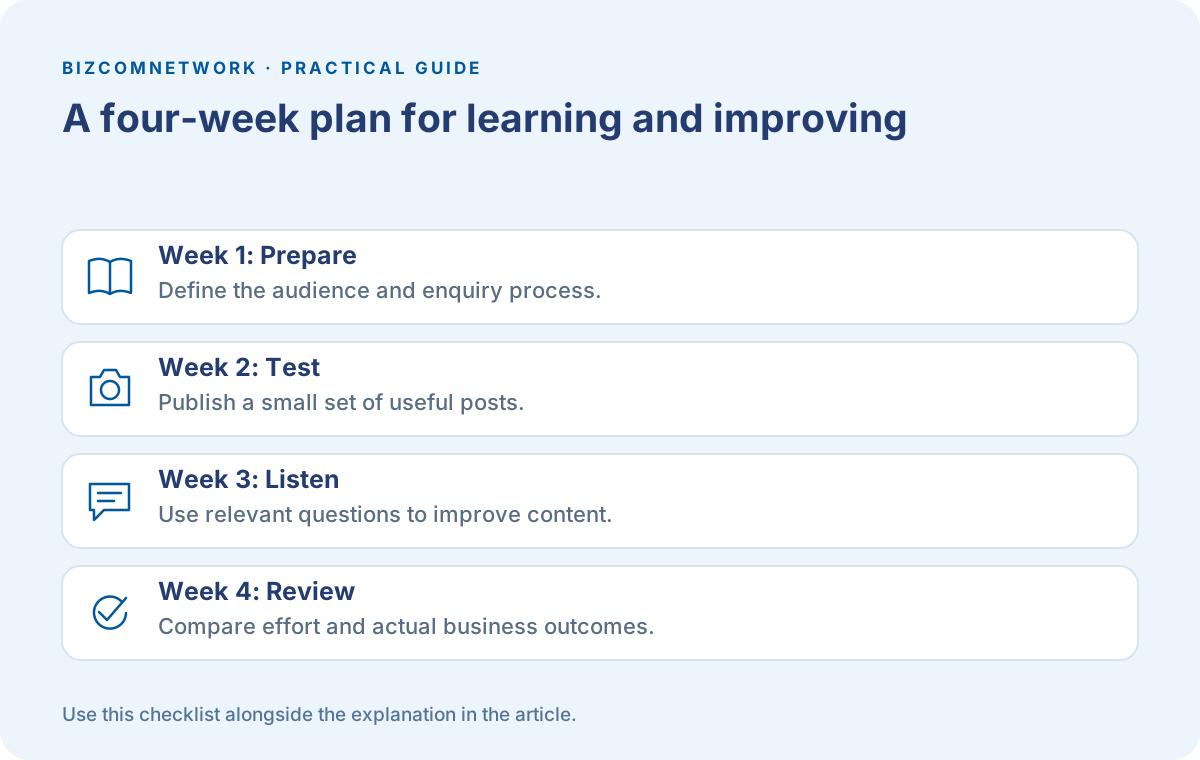
पहला हफ्ता: तैयारी और Customer Questions
Profile information, working links और enquiry response process ठीक करें। पाँच real customer questions की सूची बनाएं। जहाँ जानकारी नहीं है वहाँ expert input या verification का समय रखें। Calendar में topic, format, owner, asset और approval status के columns रखें।
LinkedIn की official action plan useful content, audience और analytics review के साथ content calendar की तैयारी बताती है। उसके recommended schedules आपके business के लिए fixed formula नहीं हैं। अपनी capacity के हिसाब से कुछ अच्छे posts तैयार करें जिन्हें update और respond कर सकें।
दूसरा हफ्ता: छोटा Content Test
दो related topics चुनें। एक को short video और दूसरे को clear carousel या text explanation में रखें। एक साथ topic, format, offer और audience सब बदलेंगे तो फर्क का कारण समझना कठिन होगा। Test का सवाल पहले लिखें: क्या demonstration से service बेहतर समझ आती है?
Publish से पहले phone पर readability, captions और links देखें। Brand voice natural रखें। AI से draft बनाते हैं तो facts और claims जाँचें। Platform में कोई optional AI feature है तो उसकी availability और privacy controls पढ़ें। Tool का उपयोग होना आपके content की जिम्मेदारी खत्म नहीं करता।
तीसरा हफ्ता: बातचीत से अगला Topic निकालें
Comments और enquiries में क्या unclear रहा, उसका aggregate record बनाएं। बार-बार वही सवाल आ रहा है तो नया useful post या existing explanation सुधारें। Customer से private information सार्वजनिक comment में न माँगें। Reply करने का जिम्मेदार व्यक्ति और escalation का रास्ता स्पष्ट रखें।
Customer कहानी साझा करनी है तो permission और सही context लें। Result measured नहीं है तो उसे success statistic न बनाएं। Imaginary example को example ही बताएं। किसी दूसरे business का testimonial अपनी service से जोड़ना trust बनाने का सही तरीका नहीं है।
चौथा हफ्ता: Results और अगले बदलाव
Content effort, relevant enquiries और completed business outcomes अलग लिखें। Reach बताती है कि content कितने लोगों तक पहुँचा, लेकिन सभी viewers customers नहीं होते। Saves, link clicks और replies को post के goal के साथ देखें। हर post से direct sale की अपेक्षा भी जरूरी नहीं।
काल्पनिक example में महीने भर की social activity से 12 relevant enquiries और 3 paid projects मिले। उसी period में website और referrals भी काम कर रहे थे। इसलिए सभी 3 projects का पूरा credit social media को बिना enquiry source समझे न दें। Attribution में uncertainty हो तो report में साफ लिखें।
Paid Promotion जोड़ें तो अलग हिसाब रखें
Organic content और paid reach की लागत तथा reports अलग पहचानें। किसी post पर promotion चलाना चाहते हैं तो objective, destination और measurement पहले तय करें। Ads से आए clicks को organic growth नहीं कहें। Ad spend के अलावा creative और management का खर्च भी business calculation में आता है।
ROAS समझने के लिए एक काल्पनिक example: ₹5,000 ad spend से ₹20,000 attributed revenue है तो ratio 4 है। यह profit नहीं है। Product cost, service delivery, refunds और other expenses अलग हैं। Attribution का आधार बदलता है तो reports की तुलना भी उसी context में करें।
Frequently Asked Questions
क्या SMM के लिए रोज Post करना जरूरी है?
कोई universal frequency नहीं। Audience, content quality, reply capacity और available insights देखकर sustainable schedule रखें।
क्या 30 दिन के Plan से Sales Guaranteed हैं?
नहीं। यह planning और learning का framework है। Results आपके offer, audience, execution और कई other factors पर निर्भर हैं।
क्या ROAS और Profit एक ही हैं?
नहीं। ROAS ad spend की तुलना में attributed revenue का ratio है। Profit के लिए बाकी costs और actual revenue भी समझना होगा।
Article at a glance
- Written by
- Bizcomnetwork
- Published
- 12 Oct 2026
- Reading time
- 6 minutes
- Topic
- Digital Marketing & Advertising
Read More Blogs
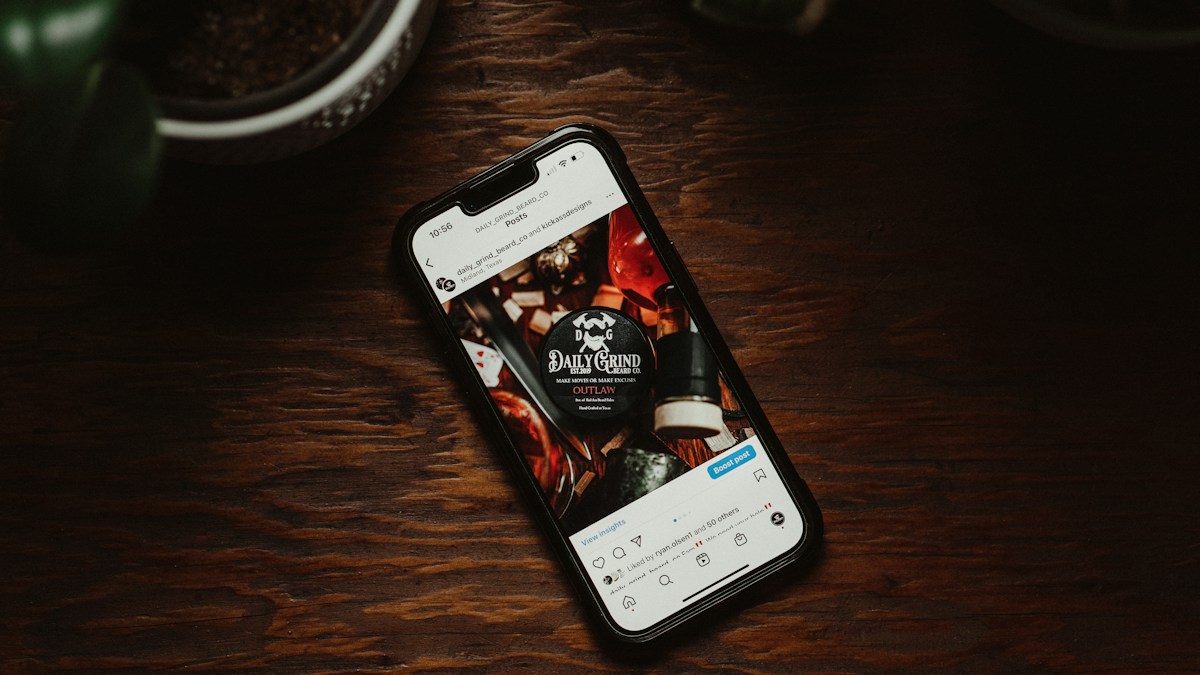
SMO क्या है? Social Media Profile से Customer को सही जानकारी कैसे दें
Social Media Optimization में bio, contact links, business details और useful posts कैसे सुधारें? छोटे brands के लिए practical profile audit पढ़ें।

Google Ads Search Campaign: Budget खर्च करने से पहले ये Checks करें
Google Ads में keywords, location, conversion tracking और average daily budget समझें। छोटे service business के लिए Search campaign की practical guide।
Meta Ads कैसे शुरू करें? Likes से आगे सही Leads समझने की Guide
Facebook और Instagram ads की शुरुआत में objective, creative, enquiry process और budget तय करें। Lead quality और वास्तविक business result समझने की हिन्दी guide।
Be the first to share your thoughts.
Comments 0